Icelandic Whaling
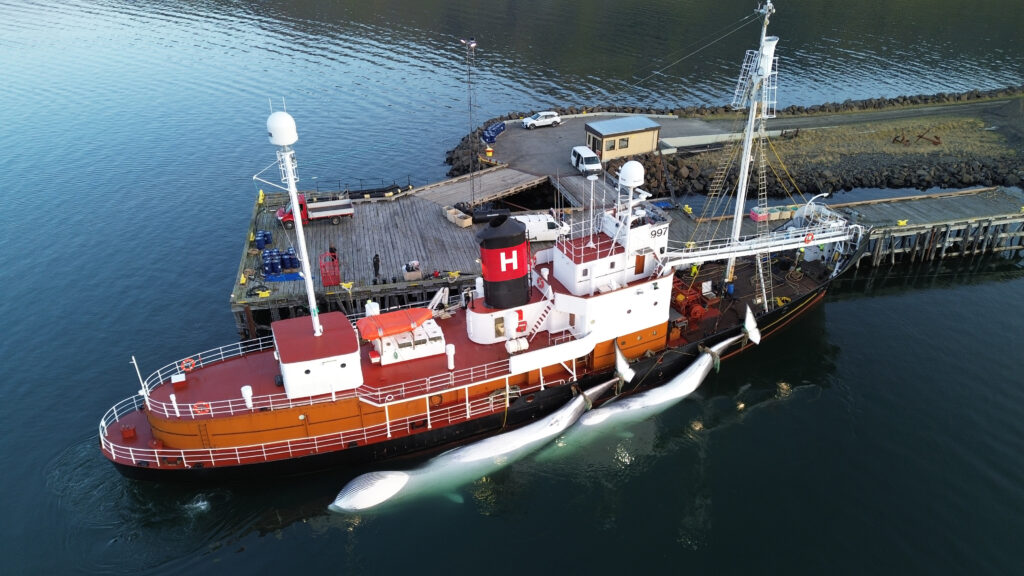
The hunting of fin whales in Iceland is carried out by a company called HVALUR hf ( pronounced KA-VA-LUR). The origins of Hvalur trace back to 1936 when two fishermen Loftur Bjarnason and Vilhjlamur Arnason bought a fishing vessel named ‘Venus’. This partnership still continues to dominate Iceland’s whaling and fishing industry. Still operated by the descendants of these two fishermen. The most infamous is Loftur Bjarnason’s son, Kristjan Loftsson who besides being the face of Icelandic whaling is also one of Iceland’s richest people.
After World War II, Hvalur converted the former US navy base at Hvalfjordour into a whaling station. From 1948-1989 they caught an average of 220 fin whales per year with their four harpoon ships. Iceland then ceased whaling for 15 years, only to resume again in 2006. Over the past 19 years, 10 have seen zero whales killed, however in the nine years that Loftsson was successful Hvalur killed a total of 924 fin whales.
The meat from these fin whales is sold to Japan, not consumed within Iceland!! The last shipment to Japan was deemed of such poor quality, most of it ended up as dog food. Japan recently began hunting fin whales in their own waters, meaning that Loftsson’s market for fin whale meat has likely dissolved.
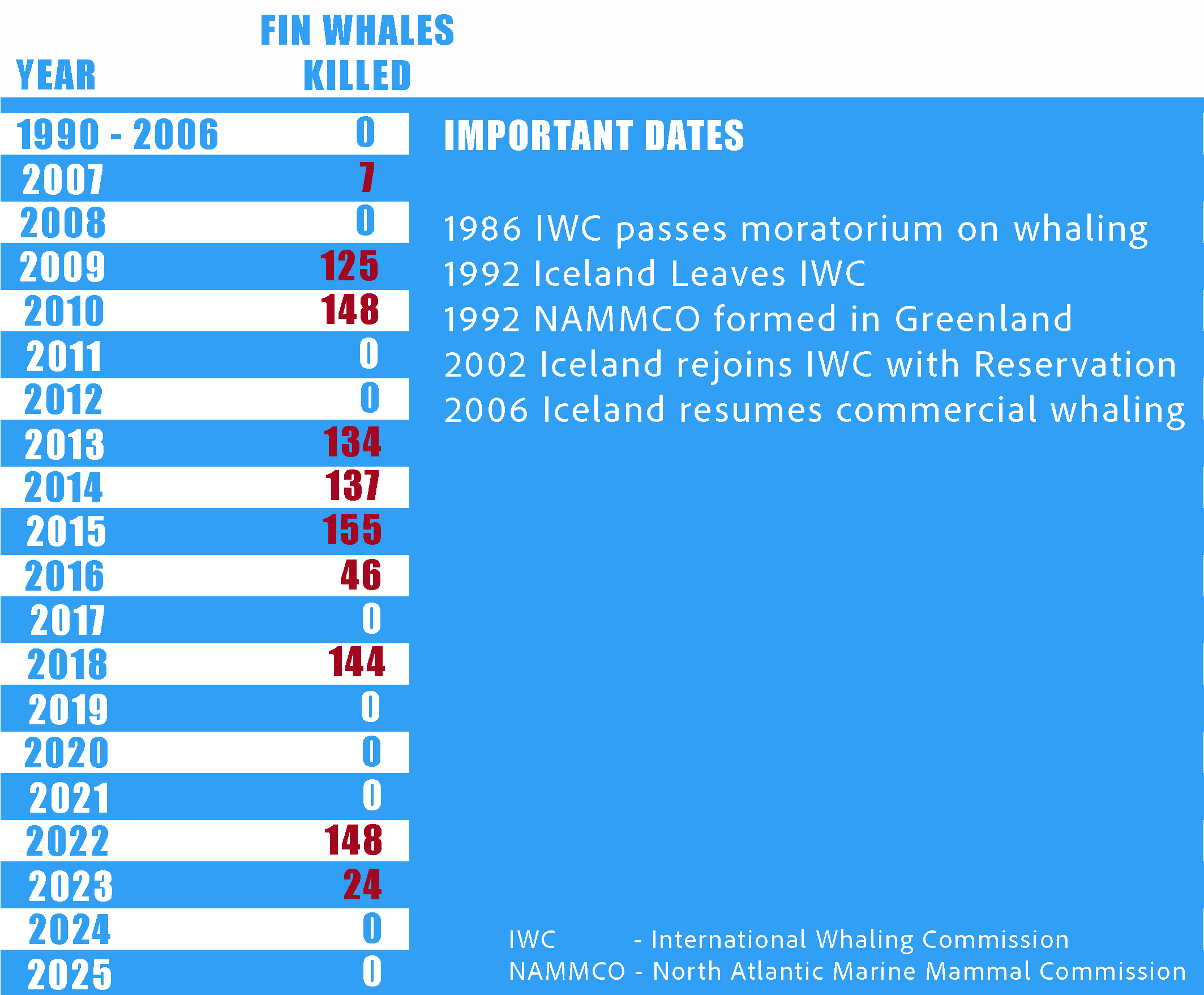
The year 1986 was a big year for the whales and whaling in general. In January of 1986 the International Whaling Commission (IWC) passed a moratorium on commercial whaling that still remains in effect today, saving tens of thousands of whales, and diverting their path from extinction to recovery… Some whales have recovered faster than others and in the case of fin whales they still remain classified on the IUCN Red List of Threatened Species as VULNERABLE.
However in 1986 Iceland decided that they would bypass the IWC commercial ban and use a scientific loophole to continue to hunt whales, setting a quota of 120 whales.
In November of 1986 two activists, Rod Coronado and David Howitt flew to Iceland and spent some time scouting the area. On November 8th they broke into the whaling station at Hvalfjordur and sabotaged equipment used for processing the whales,
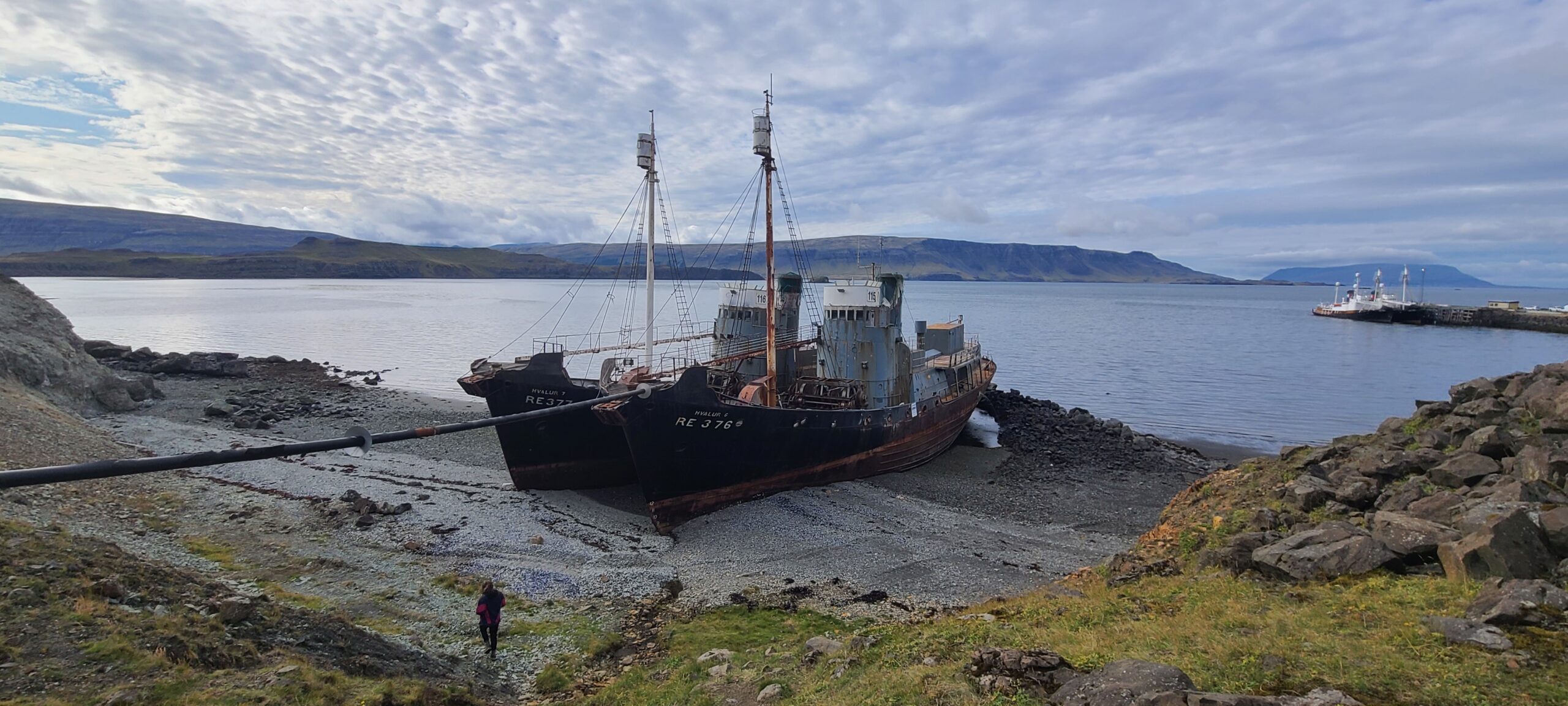
computers, power generators and machinery. They also completely destroyed beyond repair the large refrigeration unit, used to freeze the whale meat. They then proceeded to Reykjavik harbour where three of the four harpoon ships were moored. The activists snuck onboard at approximately 5am on November 9th and opened the salt water cooling valves in the engine rooms, sinking the Hvalur 6 and Hvalur 7. The third vessel Hvalur 8 had a security guard onboard so the decision was made to not take any further action for his personal safety. The two then boarded a plane to Luxembourg and escaped.
The two ships were eventually raised, but because the saltwater damage was so severe and repairs were too expensive, they were never used for whaling again. They were towed ashore, where they remain resting on the beach today. The actions it is believed cost in the region of 8 million dollars in damages and set back Icelandic whaling for two decades.